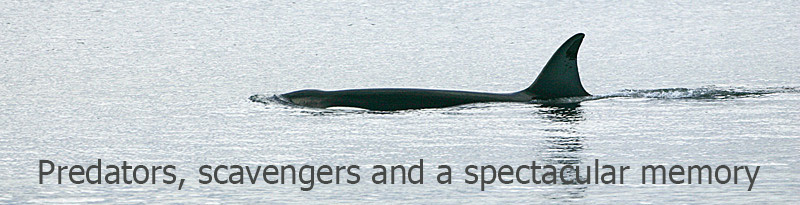
01DD2205 Orca Orcinus orca Falkland Islands
Orca Orcinus orca adults teaching the youngster the dangerous move of hunting seals in a small shallow bay close to shore off Sea Lion Island Falkland Islands
01DD3202-Orca-adults-with-youngster

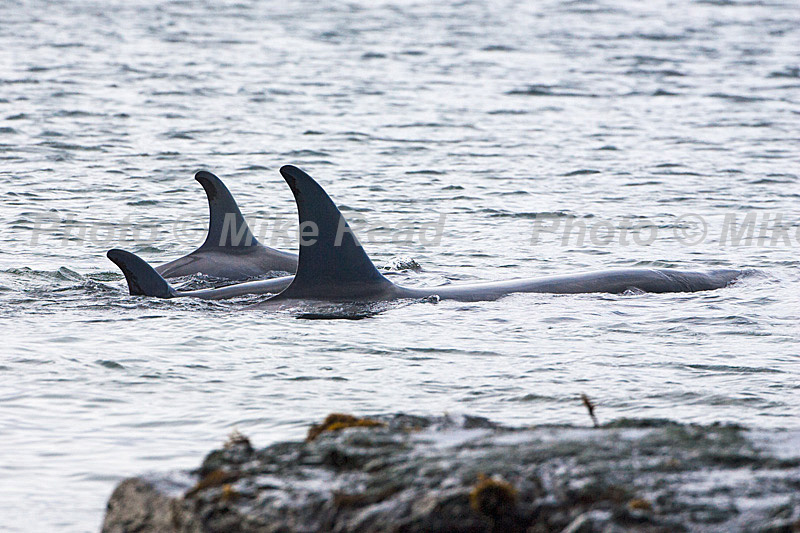
There are some awesome predators to be seen on and around the Falklands.  During my four winter visits (December and January) whenever we were on Sealion Island, around high tide we often saw Orcas, true apex predators.  There were usually three large-finned males, three females as well as one or two youngsters.  The image to the left shows a couple of females teaching a young one to enter a shallow bay to hopefully catch a young elephant seal off guard.  On this occasion their effforts went unrewarded.  To the right is a male Orca with a huge 5' to 6' high dorsal fin showing well and also some white skin under its chin.
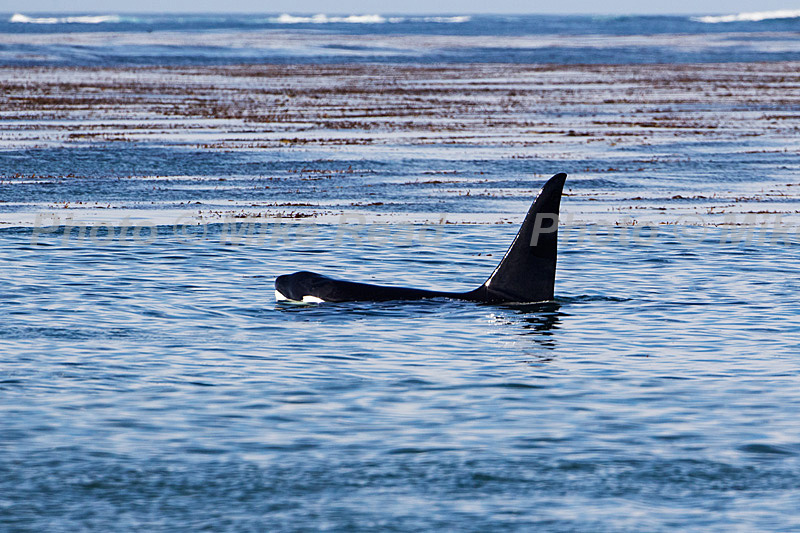
Killer whale Orcinus orca large male swimming offshore Sea Lion Island Falkland Islands November 2015
01DD3700-Orca-large-male
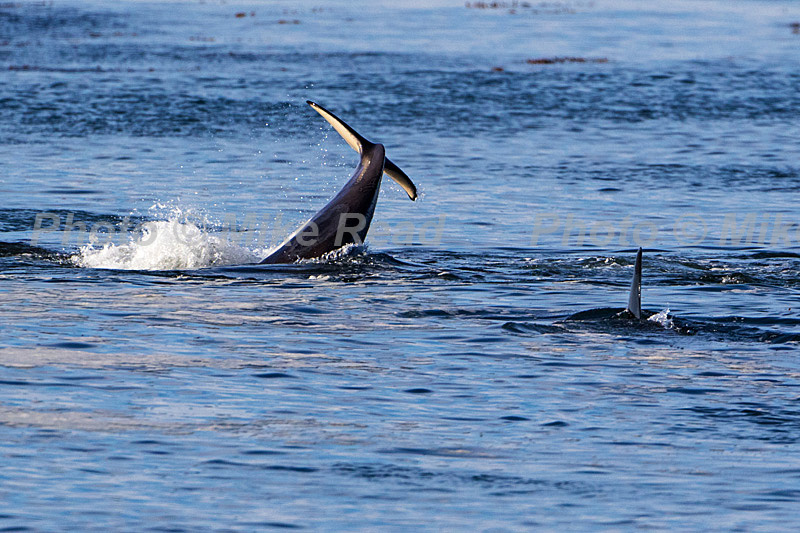
Killer whale Orcinus orca tail slapping offshore Sea Lion Island Falkland Islands November 2015
01DD3691-Orca-yail-slapping

The image to the left shows an Orca tail slapping and to the right are two females together.

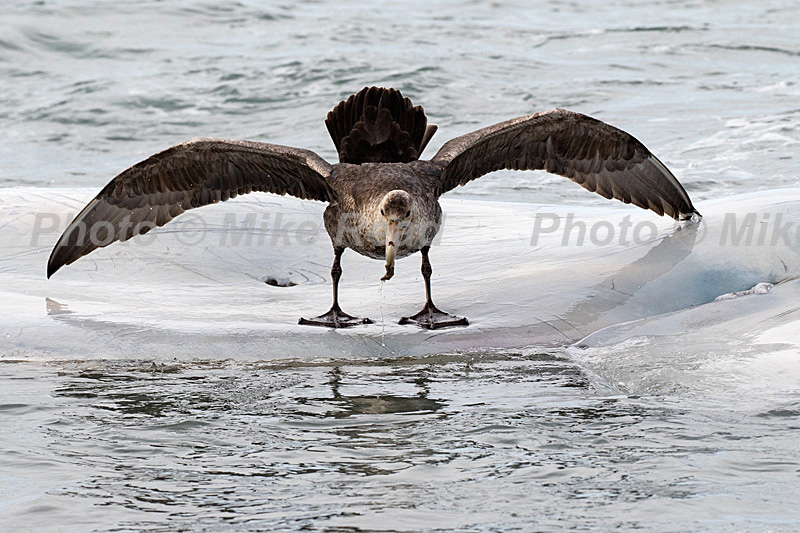
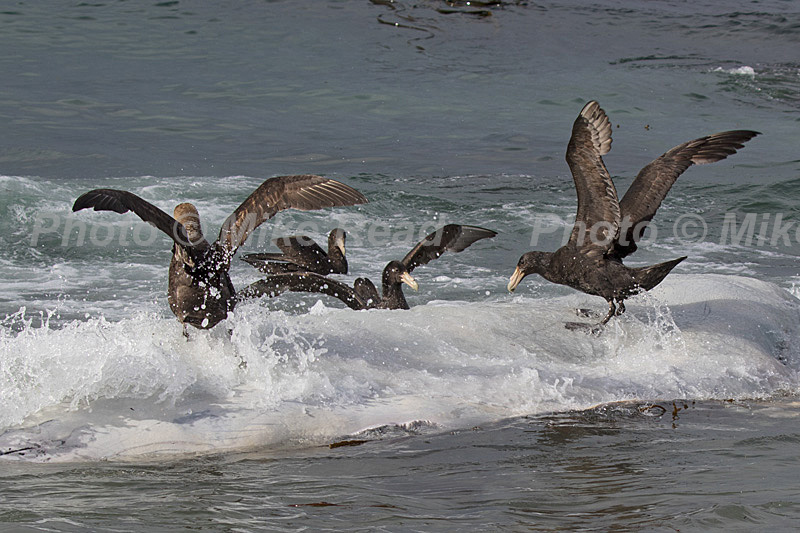
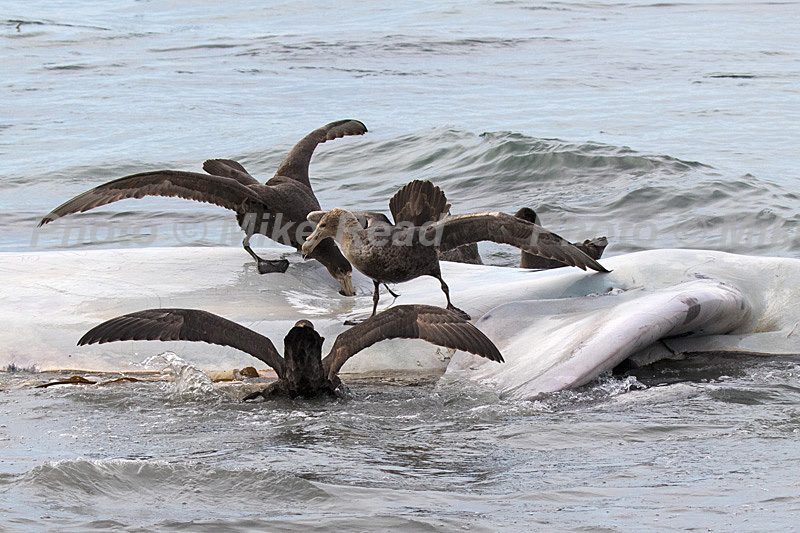
Sadly just before my last visit to these islands, one of the big males in an enthusiastic chase of a potential meal, ran aground onto a beach.  Despite efforts but just about everyone on Sealion, it was impossible to refloat it and it sadly died.  Everyone was really upset by this but plenty of Giant petrels were feeding on the corpse when I got there with my group as you can see below.
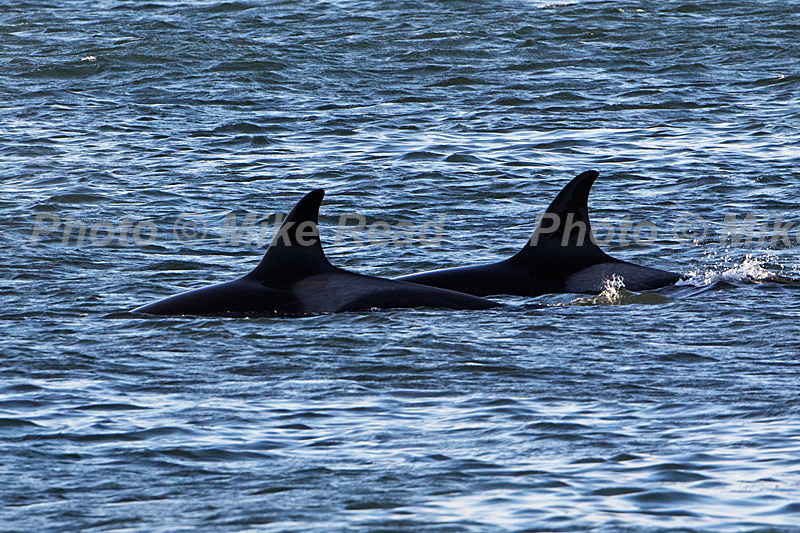
Killer whale Orcinus orca two females swimming off-shore Sea Lion Island Falkland Islands November 2015
01DD3683-Orca-two-females
Southern giant petrel Macronectes giganteus group feeding on dead Killer whale Orcinus orca off Sealion Island Falkland Islands British Overseas Territory UK
03AD1259-Southern-giant-petrel-feeding-on-dead-Orca
Southern giant petrel Macronectes giganteus trying to keep balance on slippery dead Killer Whale Orcinus orca off Sealion Island Falkland Islands British Overseas Territory UK
03AD1253-Southern-giant-petrel-on-dead-Orca
Southern giant petrel Macronectes giganteus trying to keep balance on carcass of Killer Whale Orcinus orca off Sealion Island Falkland Islands British Overseas Territory UK
03AD1233-Southern-giant-petrels on dead Orca
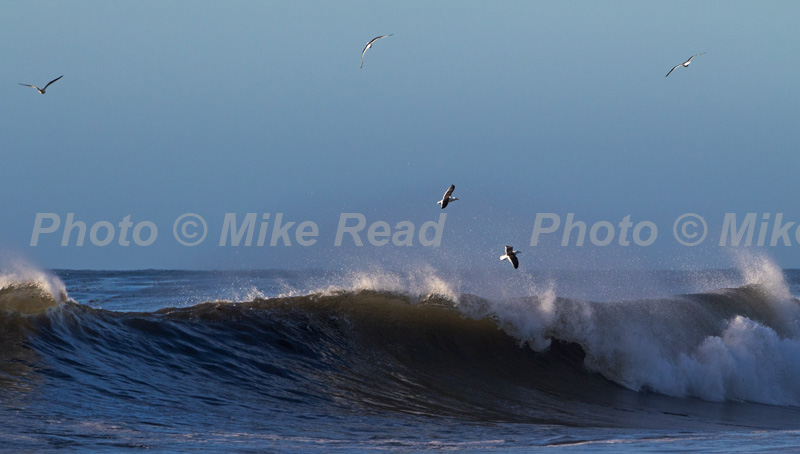
Waves crashing onto the shore with Kelp gulls Larus dominicanus flying above, Sea Lion Island, Falkland Islands November 2015
02AD9434-Kelp-gulls-flying-over-rough-sea
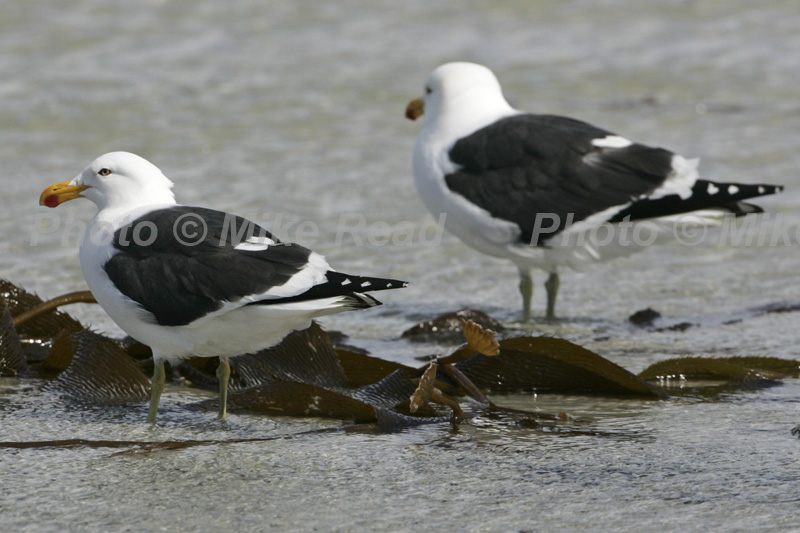
Kelp gull Larus dominicanus two in shallow water at the edge of the sea Falkland Islands
02AD2153-Kelp-gull-two
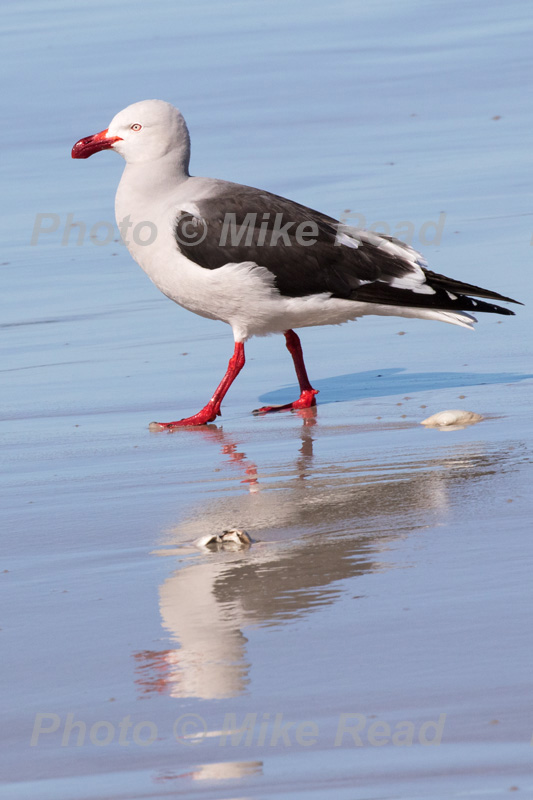
Dolphin gull Leucophaeus scoresbii in shallow water at edge of sea Pebble Island Falkland Islands British Overseas Territory UK
03AD0911-Dolphin-gull-and-reflection
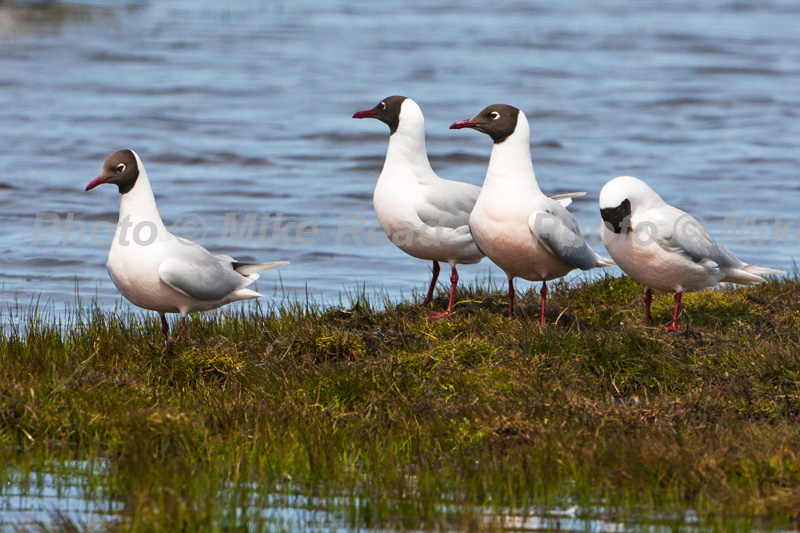
Brown-hooded gull Larus maculipennis four birds on small island in pond Bleaker Island Falkland Islands
02AD8438-Brown-hooded-gull-4-in-breeding-plumage

The two photos (far left) are of Kelp Gulls.  In the top one, three birds are fatching the large wave in the hope that something edible will be washed up.    Smaller than the Kelp gulls is the Dolphin Gull which is immediately left and above are four Brown hooded-gulls in their fine breeding plumage.  Whilst they may look superficially like our Black-headed gulls, the latter never has the pinkish belly that these birds do.
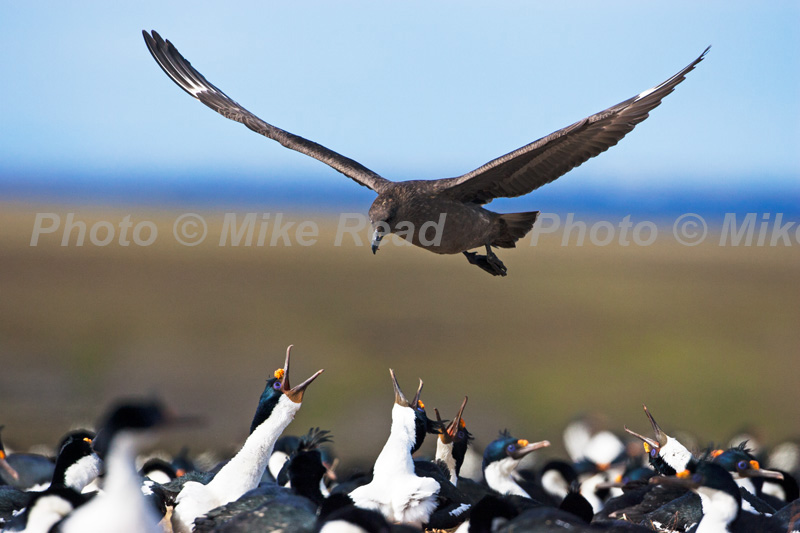
Falkland OR Brown skua Catharacta antarctica flying over Imperial shag nesting colony looking for unguarded eggs Bleaker Island Falkland Islands
02AD8398-Falkland-OR-Brown-skua
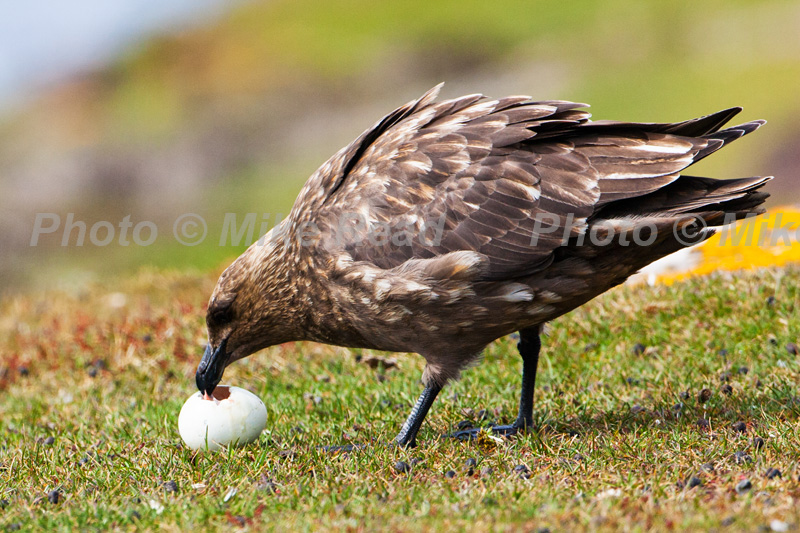
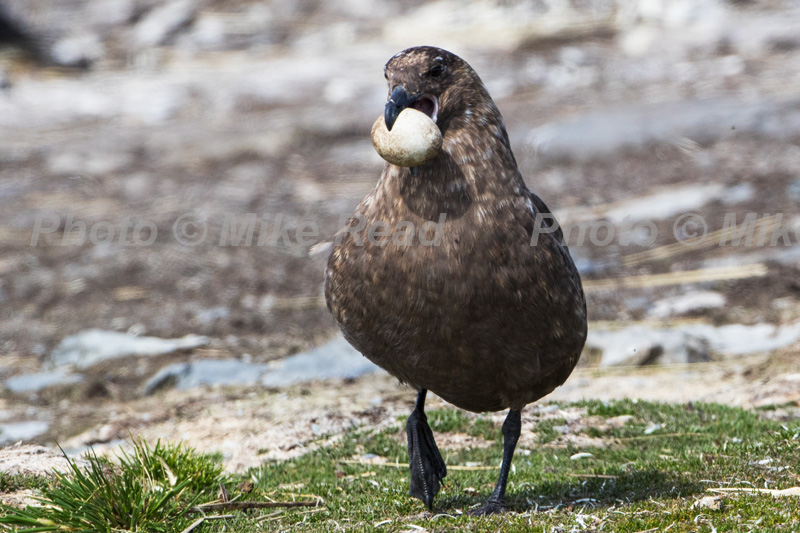
Falkland skua Catharacta antarctica with Rockhopper penguin egg Bleaker Island Falkland Islands November 2015
02AD9432-Falkland-skua-with-penguin-egg
Falkland OR Brown skua Catharacta antarctica feeding on Imperial shag's egg Saunders Island Falkland Islands
02AD8418-Falkland-OR-Brown-skua-feeding-on-stolen-egg

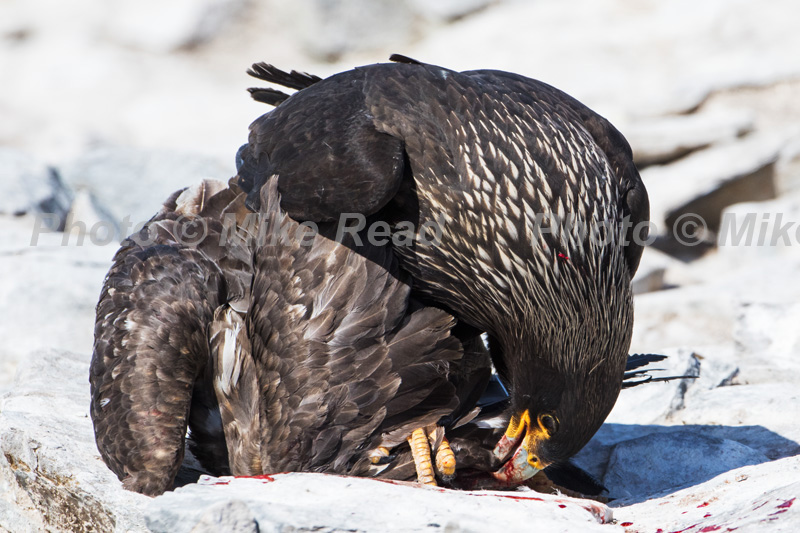
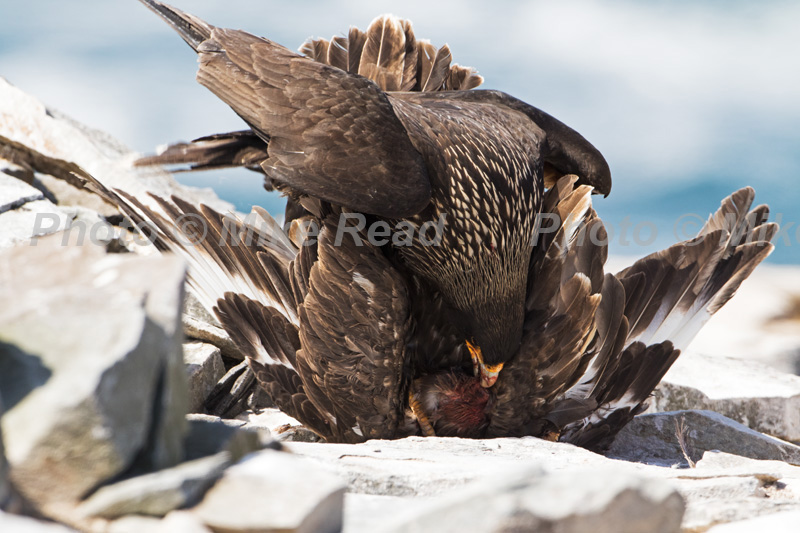
The Falkland or Brown skua is a really piratical species.  They will chase other species to get them to drop or regurgitate food they are taking to their young or, as in the three images above, it will search an Imperial shag colony for unguarded or revealed eggs. As the shags reach upwards with their beaks to fend off the skua, one might just reveal an egg or a chick.  In an instant, the skua is down, seizes its prize and flies away to consume the meal it has stolen.  However, these skuas don't always get it all their own way.  Look at the three pictures below and you will see that a Striated caracara is in the process of killing  a skua as its next meal.
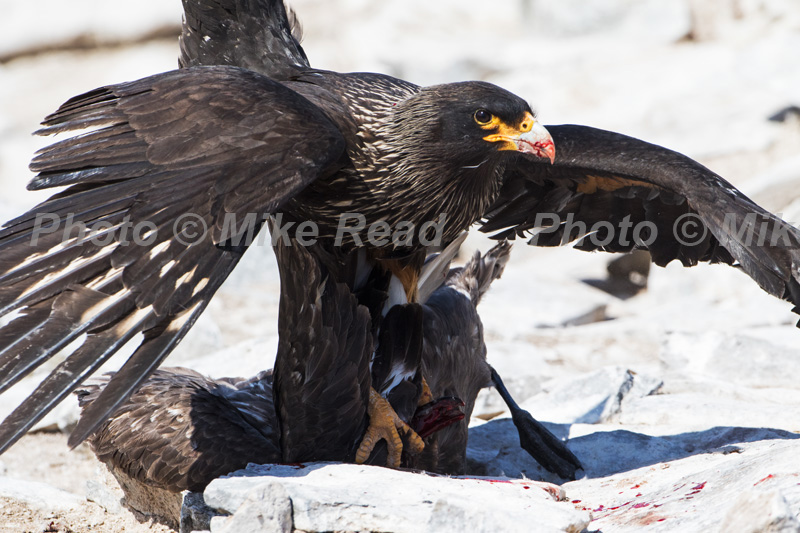
Striated caracara Phalcoboenus australis killing a Falkland Skua Catharacta antarctica on a beach Sea Lion Island Falkland Islands UK November 2015
02AD9654-Striated-caracara-mantling-Brown-skua-prey
Striated caracara Phalcoboenus australis killing a Falkland Skua Catharacta antarctica on a beach Sea Lion Island Falkland Islands UK November 2015
02AD9657-Striated-caracara-with-captured-Brown-skua
Striated caracara Phalcoboenus australis killing a Falkland Skua Catharacta antarctica on a beach Sea Lion Island Falkland Islands UK November 2015
02AD9661-Striated-caracara-killing-Brown-skua
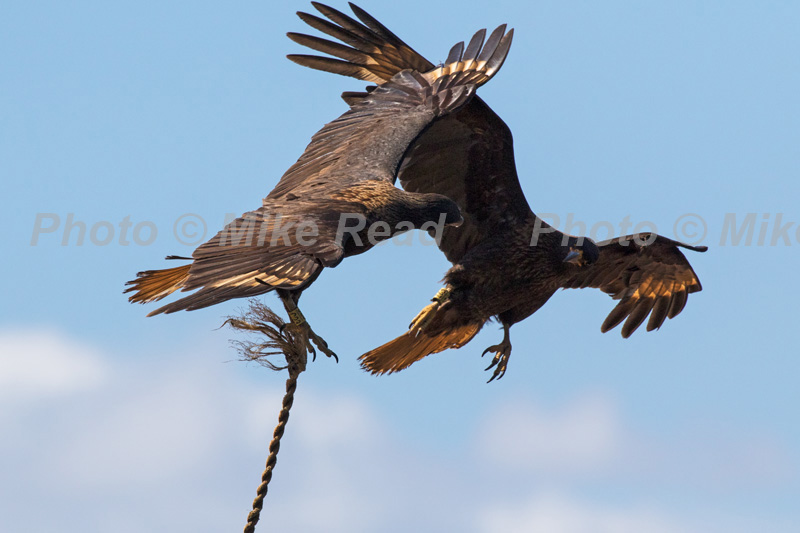
Striated caracara Phalcoboenus australis two playing with rope that was hanging down beside a skip Saunders Island Falkland Islands British Overseas Territory UK November 2016
03AD0720-Striated-caracara-playing-with-attached-rope

Striated caracaras also have a very playful nature as can be seen to the left.  This piece of rope was dangling down from a container an was being blown about by the wind.  The bird landed about 6' away and seemed intrigued by its movement.  Closer and closer the caracara went and eventually grabbed the rope in its talons and tried to fly away with it.  Once the rope went taut it clung on to it and drifted about like a kite on a string!  By the way, the bird to the right shows just how approachable Striated caracaras can be!
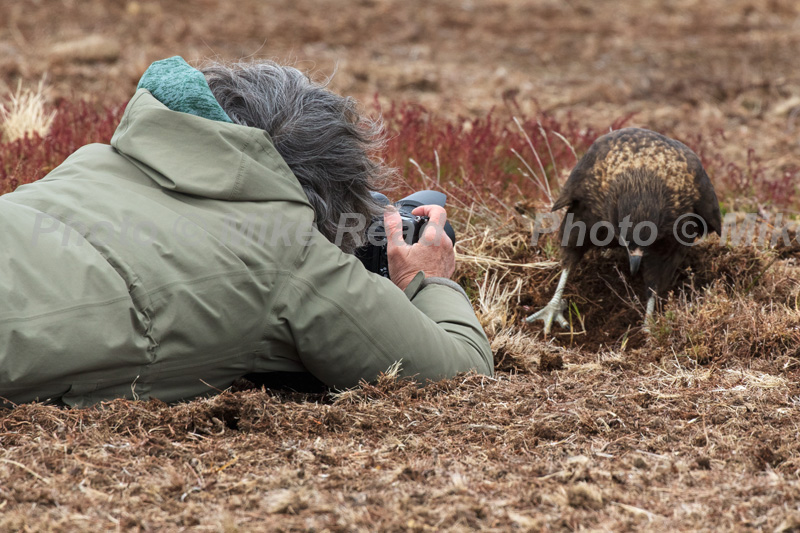
Striated caracara Phalcoboenus australis searching in rough grassland for food with nearby photographer Sealion Island Falkland Islands British Overseas Territory UK December 2016
03AD0746-Striated-caracara-with-very-close-photographer
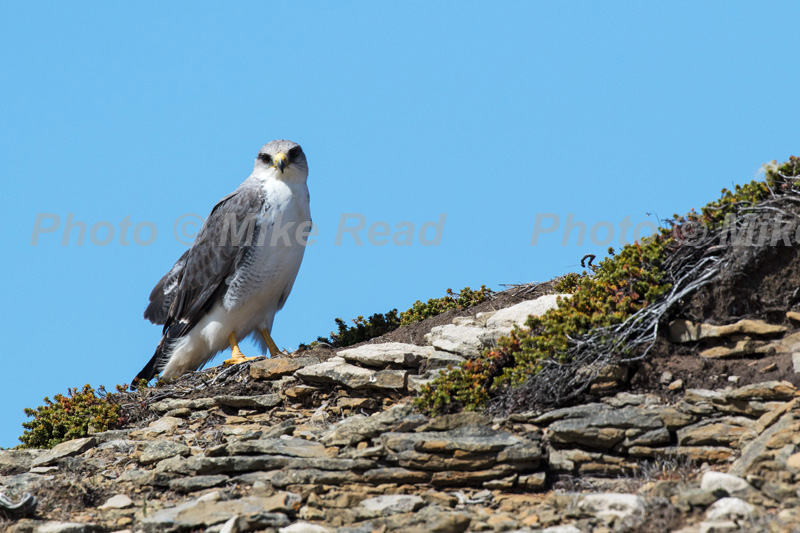
Variable hawk Buteo polyosoma male perched on a rock Saunders Island Falkland Islands British Overseas Territory UK
03AD0939-Variable-hawk-male

Here we have a Variable hawk (left) and a Turkey vulture (right).  The hawk will usually catch its own prey but is not averse to finishing up another specie's left-overs.  The TV (as these vultures are frequently called) certainly is happy to feed on anything that another species leaves.

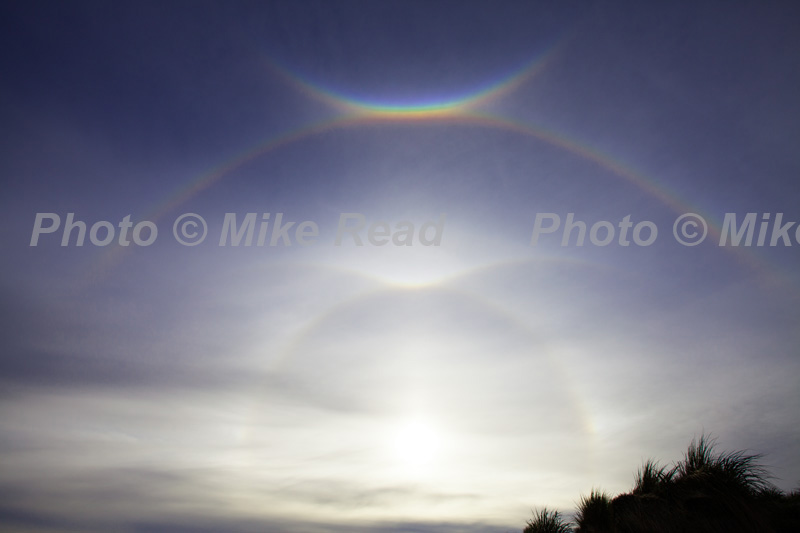
Finally on this blog, one client was lingering out with me when we should have been racing back to the lodge for dinner at 7pm.  However, we looked up and saw these 'rainbows' in the sky.  They are  circumzenithal arcs; light refracting through ice crystals very high in the sky.  A truly spectacular memory to bring home.
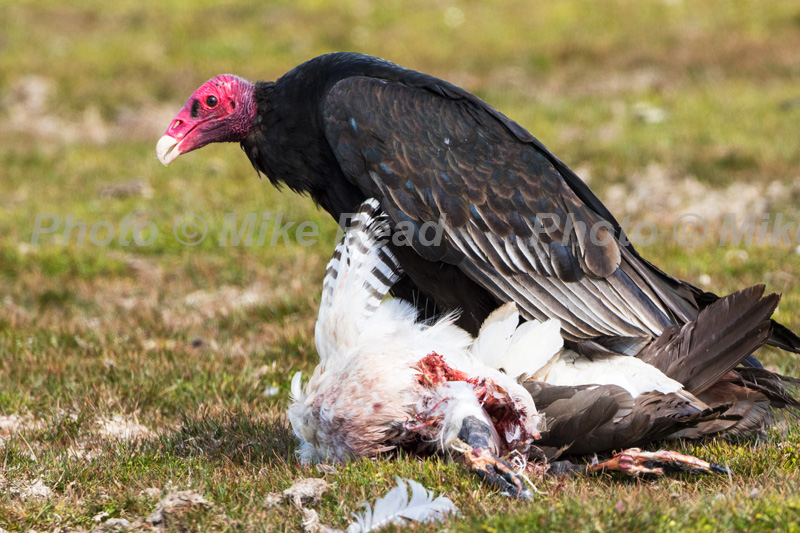
Turkey vulture Cathartes aura jota eeding on dead Upland goose Chloephaga picta leucoptera Bleaker Island Falkland Islands UK November 2015
02AD9643-Turkey-vulture-beside-dead-Upland-goose
Rainbow-like arcs in the sky which are Circumzenithal arcs and sun dogs at sunset , Sea Lion Island, Falkland Islands, UK